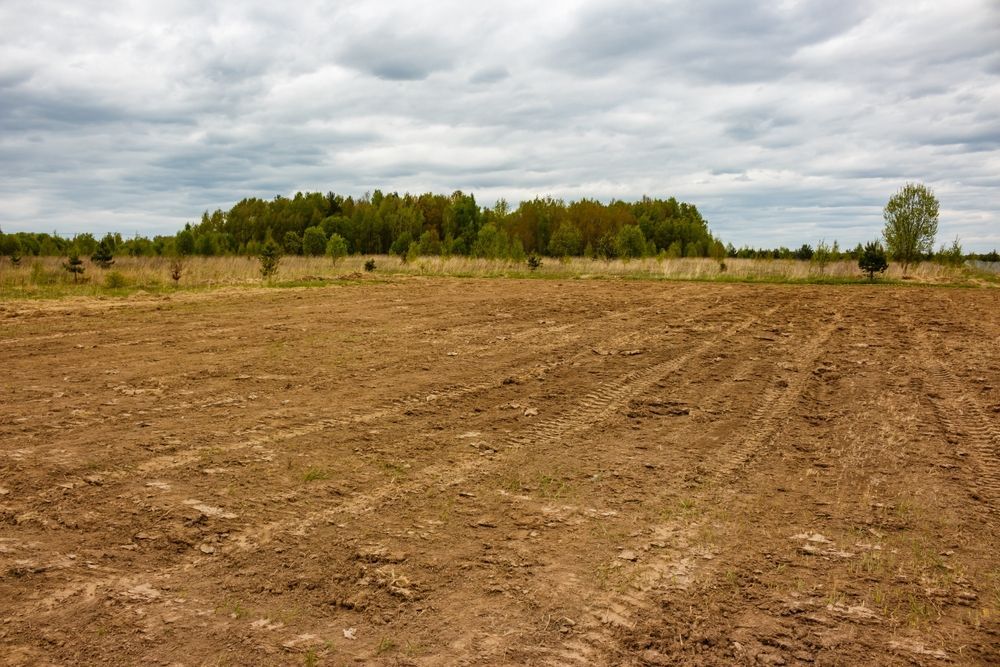
Raw Land Prepared for Working Agricultural Operations
Agricultural Land Development & Dual-Use Zoning Prep in New Freedom for rural properties requiring structured site layout, irrigation infrastructure, and energy integration before farming operations can begin
Landowners across York and Lancaster counties often hold raw or underutilized acreage with real production potential but no infrastructure to support it. NorthWind Land Developers works directly with those landowners to design and build out agricultural sites—establishing the physical framework needed for crop operations, livestock management, greenhouse construction, and dual-use zoning approval. The properties addressed range from open farmland being reactivated to rural parcels transitioning into integrated agricultural operations for the first time.
Agricultural land development in this region involves more than breaking ground. The Mid-Atlantic's variable soil conditions, seasonal precipitation patterns, and township-level zoning codes each affect how a site gets designed. In York and Lancaster counties specifically, dual-use zoning preparation requires coordinating site layout decisions with local regulatory requirements—determining where structures like greenhouses can be positioned, how water systems are routed, and where on-site energy infrastructure fits within setback and use classifications. Each of these decisions made during the design phase directly affects what can be approved later.
Request a site evaluation to review your acreage layout and identify the infrastructure priorities for your intended agricultural operation.
How Agricultural Site Development Addresses Functional Infrastructure Gaps
The development process begins with a collaborative site layout review where NorthWind Land Developers works alongside the landowner to map intended use—whether that's crop rows, livestock housing, greenhouse placement, or a combination of all three. Irrigation systems are designed based on the specific water demands of the planned operation, not generic agricultural templates. Energy infrastructure for heating, cooling, or electrical supply is integrated into the layout from the start rather than retrofitted after construction, which affects both cost efficiency and regulatory compliance during zoning review.
After site development is completed, landowners can observe distinct physical markers of progress: irrigation lines run to planned growing zones, greenhouse structures installed to site-specific specifications, and energy systems positioned to serve both heating loads and operational power needs without requiring separate utility runs. The layout reflects decisions made with dual-use zoning in mind, meaning the placement of each structure and system is documented in a way that supports permit applications and land use requests at the township level.
Agricultural site development also varies significantly based on whether the operation is crop-focused, livestock-focused, or structured for both simultaneously. Cattle operations require different water volume planning and waste management routing than greenhouse crop systems. Properties intended for both require infrastructure sequencing that avoids conflict between these systems during both construction and operation—a design consideration that affects the site plan before any ground is broken.
Common Questions About Agricultural Land Development
Landowners preparing to develop agricultural property for the first time often have specific questions about process, sequencing, and what dual-use zoning preparation actually involves at the site level.
What does dual-use zoning preparation actually require on the physical site?
Dual-use zoning prep involves documenting how structures, water systems, and energy infrastructure are positioned relative to property lines and intended use classifications—your site layout needs to reflect zoning-compatible placement before an application moves forward.
How does irrigation system design differ between crop and livestock operations in New Freedom and the surrounding townships?
Crop irrigation systems are typically designed for distribution across growing zones with pressure-regulated delivery, while livestock operations require higher-volume point delivery with different routing logic—the two systems can coexist on one property but require separate design consideration from the start.
When should energy infrastructure be integrated into the site plan rather than added later?
Energy systems for heating and cooling greenhouses or powering livestock facilities should be incorporated during the initial layout phase, because retrofitting them after structure placement creates routing conflicts and may require re-permitting in York County townships.
Why does greenhouse construction require site-specific design rather than a standard structure?
Orientation, foundation type, and ventilation design all depend on the specific microclimate of your parcel—slope, wind exposure, and soil bearing capacity each affect how a greenhouse performs through Pennsylvania's seasonal temperature range.
What separates a development plan that supports zoning approval from one that doesn't?
Plans that document the functional relationship between each site element—how water, energy, and structures interact with the intended agricultural use—give reviewing bodies a clear basis for evaluation, while plans that treat each element in isolation often generate requests for additional documentation before approval proceeds.
NorthWind Land Developers has worked with agricultural nonprofits and institutions across the Mid-Atlantic, including operations involving integrated energy and irrigation infrastructure for both cattle and crop production—that background directly informs how site plans are structured to hold up through the zoning review process. Connect with the team by calling (667) 228-7002 to discuss your property's current condition and what a development plan would need to include for your specific agricultural goals.