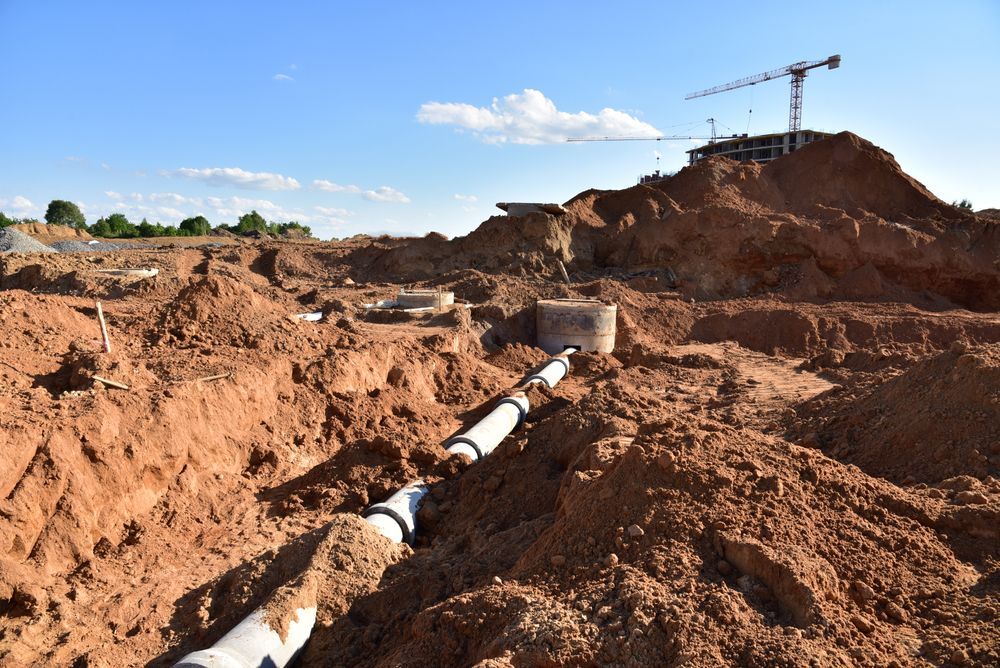

Utilities Run Before Construction Can Start
Utility Trenching and Soil Testing Support in New Freedom for rural parcels where water, electric, and septic lines must be installed before footers or foundations are set
Rural properties across York and Lancaster counties frequently sit at a distance from existing utility infrastructure, meaning water lines, electrical service, and septic systems all need to be trenched and installed before any building work can proceed. NorthWind Land Developers handles utility trenching for water, electric, and septic systems as part of site preparation, and provides soil testing support to confirm that a parcel is buildable before construction begins. Without this step, property owners risk committing to foundation work on land that has drainage, percolation, or load-bearing conditions that complicate or prevent development.
A crew arrives with specialized trenching equipment and excavates utility lines to the depths required by local code—not an estimate based on general practice, but to the specific measurements required for compliance in York and Hanover jurisdictions. Trenches are backfilled to specification and mechanically compacted in lifts to prevent settling that can stress buried conduit or pipe over time. Soil testing support runs parallel to this process, producing the documentation needed to confirm buildability and satisfy lender, engineer, and municipal requirements before permits are finalized.
Arrange a site consultation to assess utility routing and confirm soil conditions for your planned build.
What Proper Utility Trenching Requires
Trenching work on rural properties involves more than digging a straight line. Utility corridors must account for existing site features—tree root zones, seasonal drainage paths, setbacks from property lines, and proximity to other buried infrastructure. On properties within the Chesapeake Bay watershed, which includes much of York County, erosion control measures must be in place during and after trenching to prevent sediment from reaching drainage channels. NorthWind Land Developers has direct experience with these compliance requirements, having completed utility work on 44 properties across the Mid-Atlantic for Wilbarger LLC.
Once trenches are backfilled and compacted, the visible surface returns to a condition ready for the next phase of site work—grading, foundation prep, or final landscaping depending on the project sequence. Internally, properly compacted backfill prevents the ground from settling unevenly around buried lines, which can cause pipe stress, joint failure, or surface depressions that collect water above the trench line. Soil testing results, once completed, provide a written record of percolation rates and bearing capacity that engineers and inspectors rely on throughout the permitting process.
Septic system requirements in Pennsylvania are determined in part by perc test results and soil profile evaluation, which means trenching and soil work often need to happen in a specific sequence to avoid redundant excavation. NorthWind Land Developers coordinates this sequence so that soil evaluation, utility routing, and trench work align with the broader construction schedule rather than creating delays between phases.
What Property Owners Usually Ask
Buyers and builders working with undeveloped rural land in the York and Hanover area tend to have similar questions about what the trenching and soil testing process involves and what it determines for their project.
What does soil testing support actually include, and why does it matter before building?
Soil testing typically involves perc testing, soil profile evaluation, and documentation of bearing capacity—this information determines whether a septic system can be permitted, what type of foundation is appropriate, and whether the parcel meets buildability standards required by lenders and local authorities.
How deep do utility trenches need to be in Pennsylvania?
Trench depth varies by utility type and local code requirements—water lines must be below the frost line to prevent freezing, while electrical conduit and septic laterals follow separate depth specifications set by state and municipal standards applicable to York County parcels.
Why does backfill compaction matter after utility trenches are dug?
Uncompacted backfill settles over time under its own weight and under surface loads, which can crack or displace buried pipe, create surface depressions above the trench, and require costly excavation to correct after the site has been developed.
What Chesapeake Bay watershed compliance requirements affect trenching work in York County?
Properties within the watershed must implement erosion and sediment control measures during active trenching, including silt fencing, stabilized construction entrances, and prompt stabilization of exposed soil to prevent runoff from carrying sediment into drainage systems.
How does the soil testing sequence coordinate with the rest of site preparation?
Perc tests and soil evaluations typically need to be completed and approved before septic permits are issued, so scheduling soil work early in the project timeline prevents it from becoming a bottleneck that delays foundation work or utility installation.
NorthWind Land Developers has worked through these site preparation sequences across multiple properties in York and Lancaster counties, and that experience informs how trenching and soil work are planned and sequenced. Speak with NorthWind Land Developers at (667) 228-7002 to review your parcel's utility needs and confirm what soil evaluation is required before construction moves forward.