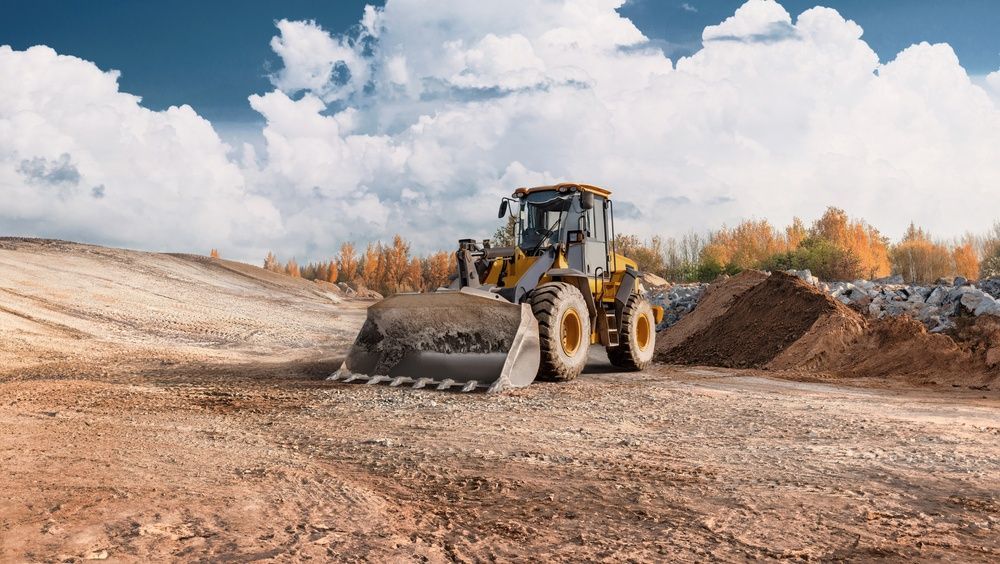

Groundwork That Prevents Costly Site Mistakes
Excavation and Site Preparation in New Freedom for properties requiring foundation excavation, footer work, and utility trenching before construction can begin
A site that hasn't been assessed for buildability before equipment moves in creates problems that compound through every subsequent phase of construction. NorthWind Land Developers provides excavation and site preparation services in New Freedom and across York County, addressing the full sequence of ground-level work that determines whether a build proceeds smoothly or runs into avoidable setbacks. That sequence includes foundation excavation, footer installation, grading, and utility trenching—each step coordinated based on site conditions rather than a fixed template applied regardless of terrain.
Properties in the Shrewsbury and Red Lion areas vary significantly in soil composition, slope, and subsurface conditions, and those variables directly affect equipment selection and the order of operations on site. Foundation excavation depth depends on frost line requirements and structural load; footer dimensions are determined by soil bearing capacity; and utility trench routing must account for drainage patterns, setback requirements, and the eventual placement of structures on the lot. Sequencing those decisions incorrectly—running trenches before final grade is established, for example—forces re-excavation that adds cost without adding value.
Arrange an on-site assessment to evaluate your property's conditions and determine the most efficient excavation and grading sequence for your build.
What Proper Site Excavation Requires
Site preparation for a new build isn't limited to moving dirt—it involves a series of interdependent decisions that affect structural performance, drainage, and long-term access. Foundation excavation must reach undisturbed soil at the correct depth, which in Pennsylvania's climate means accounting for freeze-thaw cycles that can shift footers if soil bearing conditions aren't verified before concrete is placed. Utility trenching is typically sequenced after foundation work is confirmed, though the trench routing is planned at the start to avoid conflicts with footer locations and future landscaping grade.
Once excavation and footer work are complete, the visible result is a site where the foundation sits at the correct elevation relative to final grade, drainage flows away from the structure, and utility lines enter the building without crossing through load-bearing areas. Those details aren't visible in the finished home, but their absence shows up as water intrusion, settling, or utility access problems that require invasive repairs later. Equipment choices on any given site—whether tracked excavators, skid steers, or combination equipment—depend on lot dimensions and access constraints, not just project scale.
Site preparation scope also differs between residential and commercial-grade projects. Residential foundation work typically involves a defined excavation footprint with straightforward footer dimensions, while commercial or multi-use sites may require engineered grading plans, compaction testing, and phased excavation to maintain safe working conditions. NorthWind evaluates those requirements during site assessment so that the equipment mobilized matches what the project actually needs rather than what's most readily available.
What Property Owners Usually Ask
Excavation and site preparation involve more variables than most property owners anticipate before their first project. The questions below address the practical details that come up most often when planning ground-level work in York County.
What factors affect the cost of foundation excavation in Pennsylvania?
Excavation cost varies based on soil conditions, depth required to reach bearing soil, site access for equipment, and whether rock or groundwater is encountered—each adds time and potentially specialized equipment to the job.
How is footer size determined for a new building foundation?
Footer dimensions are calculated based on the structural load the building places on the soil and the bearing capacity of the soil at the excavation depth, which is why assessing soil conditions before excavation begins matters for accurate planning.
When should utility trenching be scheduled relative to foundation work?
Trench routing should be planned before any excavation begins, but the actual trenching is typically sequenced after foundation footers are confirmed to avoid disturbing compacted areas under structural elements.
Why does equipment selection vary between sites in New Freedom and surrounding areas?
Rural York County properties often have limited access points, steep grades, or tree coverage that restricts which equipment can maneuver safely—tracked machines handle soft or sloped ground better than wheeled equipment, and smaller excavators reach areas that full-size machines cannot.
What does site preparation include beyond digging the foundation hole?
Full site preparation typically covers rough grading to establish drainage slope, stripping and stockpiling topsoil for finish grading, footer excavation and form preparation, and trench routing for electrical, water, and sewer connections entering the structure.
NorthWind Land Developers handles excavation and site preparation for residential and commercial builds in New Freedom and across York County. Speak with NorthWind directly to discuss your site's specific conditions before equipment is scheduled.