
Heavy Infrastructure Needs Ground That Can Hold It
Data Center Infrastructure and Onsite Energy Site Work in New Freedom for industrial parcels requiring foundation grading, power delivery, and cooling systems that meet environmental compliance standards
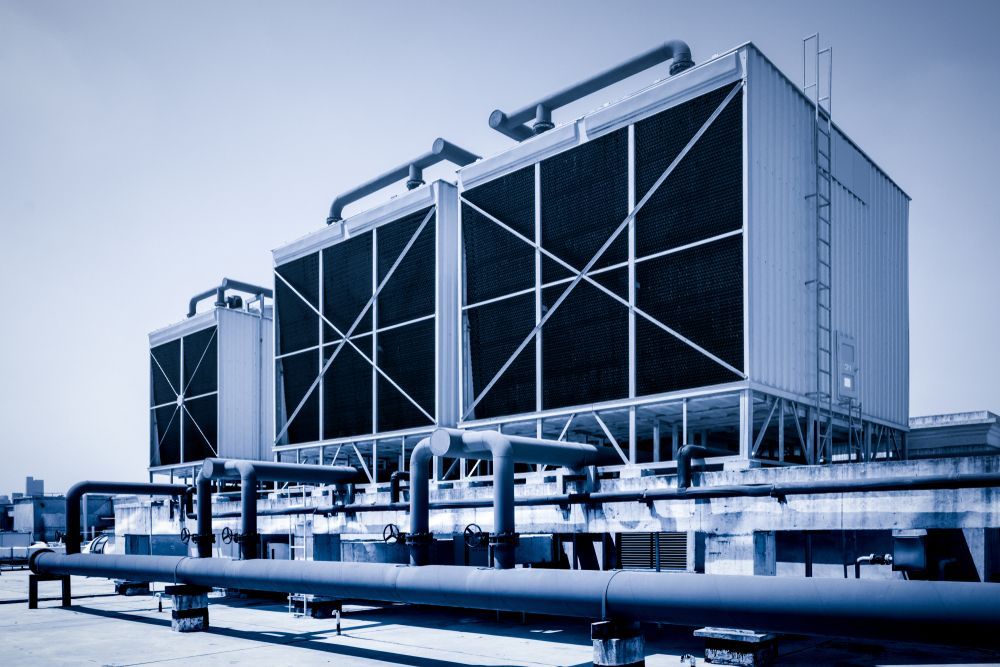
Data center development across the Pennsylvania and Maryland corridor has accelerated demand for sites that can physically support heavy structural loads, dedicated power infrastructure, and thermal management systems—without drawing on local water supplies or straining community utility capacity. NorthWind Land Developers handles the full scope of site preparation and infrastructure work for data center projects in the Hanover and Bel Air region, from initial feasibility assessment through foundation grading, power and data trenching, and installation of waterless cooling tower systems engineered specifically for this application. The work is built around industrial and environmental compliance from the first site visit forward.
Initial site feasibility assessment determines whether a parcel can physically support the project—evaluating soil bearing capacity, utility availability, stormwater management requirements, and site geometry relative to the proposed building footprint and supporting infrastructure. This step identifies constraints that affect project cost and layout before any earthwork begins. Grading and compaction then prepare the foundation pad to the load tolerances required for the structural system, followed by power and data trenching run to specification for the conductor types and separation standards required by the design engineer.
Discuss your site's feasibility and infrastructure requirements with NorthWind Land Developers before committing to a development layout.
The Difference Between Standard Grading and Industrial Site Preparation
Industrial site preparation for data center facilities demands compaction standards and subgrade quality that go beyond what residential or light commercial grading requires. The structural loads involved—server infrastructure, redundant power systems, and cooling equipment—concentrate weight across specific foundation zones, and the subgrade beneath those zones must be verified to perform consistently over the facility's operational life. NorthWind Land Developers coordinates grading and compaction testing with the project's structural engineer, ensuring the prepared pad meets the bearing capacity values specified rather than relying on visual inspection alone.
The most operationally significant component NorthWind Land Developers brings to data center projects is the waterless cooling tower—a novel thermal management system developed with engineering partners that eliminates water consumption from the cooling process entirely. Once installed, this system removes the operational dependency on local water infrastructure that conventional cooling towers require, which directly addresses the community and regulatory concern most frequently raised during data center permitting in water-sensitive jurisdictions. The site no longer requires water withdrawal for cooling, and the facility's environmental compliance posture reflects that from the start of operations.
Data center site work often involves multiple phases that require sequencing decisions—feasibility before grading, grading before foundation, utility trenching coordinated with structural work rather than treated as a separate contract. Projects that separate these phases between different contractors frequently encounter interface problems at handoffs: trenches dug before final grading elevations are confirmed, or compaction work disrupted by utility crews working from a different plan set. NorthWind Land Developers manages site preparation as a coordinated scope rather than a series of isolated tasks, which reduces those conflicts across the project timeline.
Common Questions About Data Center Site Preparation
Industrial clients and developers planning data center or onsite energy projects in the Hanover and New Freedom area tend to ask similar questions about how site conditions, compliance requirements, and cooling technology factor into the preparation process.
What does initial site feasibility assessment involve for a data center project?
Feasibility assessment evaluates soil bearing capacity, available utility infrastructure and capacity, stormwater management requirements, zoning and environmental compliance constraints, and whether the parcel geometry supports the proposed building footprint and mechanical infrastructure layout.
Why does data center foundation grading require different compaction standards than commercial construction?
Server facilities, redundant power systems, and cooling equipment create concentrated structural loads that exceed typical commercial occupancy requirements, meaning subgrade compaction must be verified against specific bearing capacity values through testing rather than general site preparation protocols.
How does waterless cooling tower technology address environmental compliance for data center development?
Conventional cooling towers consume significant water volumes continuously, which creates permitting and community concerns in water-sensitive jurisdictions; waterless cooling eliminates that water demand entirely, removing a primary source of regulatory friction during project approval and ongoing operations.
What power and data trenching standards apply to industrial site work in Pennsylvania?
Industrial electrical installations follow NFPA 70 requirements for conductor sizing, burial depth, and separation distances between power and data conduit—and site work must meet those specifications precisely because errors in trench depth or routing require costly correction after backfill is complete.
Why does coordinating site preparation phases under one contractor matter for data center projects?
When grading, trenching, and foundation work are managed separately, elevation and layout decisions made by one crew can conflict with the work of the next—particularly in complex industrial projects where foundation pad elevations, utility entry points, and drainage grades all interact with each other.
NorthWind Land Developers applies feasibility assessment, industrial grading, utility trenching, and waterless cooling installation as an integrated scope, which is the approach that prevents the interface problems that surface when industrial site work is fragmented across contractors. Reach NorthWind Land Developers at (667) 228-7002 to review your project site and begin the feasibility process.